
More Than A Wet Floor
When a pipe bursts or a washing machine floods the laundry room, your first instinct is probably to grab towels and a fan. That helps a little, but water rarely stays on the surface. According to Edmond Water Damage Restoration experts, a restoration team steps in to stop the spread, remove what’s soaked, and dry the building before a small leak turns into a much bigger problem.
The Call And The First Assessment
Once you call an emergency water damage restoration team, the first job is safety. Technicians check for electrical hazards, find the source of the leak, and shut it off if that hasn’t been done already. Then they map out where the water has traveled, using moisture meters to check walls, floors, and ceilings that look perfectly dry to you.
Getting The Water Out
Extraction comes next, and speed matters. Crews use pumps and powerful vacuums to pull standing water off floors and out of carpet. Materials that can’t be saved, like soaked padding or swollen drywall, are usually removed at this stage. Taking them out can feel drastic, but leaving wet material in place keeps moisture trapped inside your walls and floors.
Drying The Structure
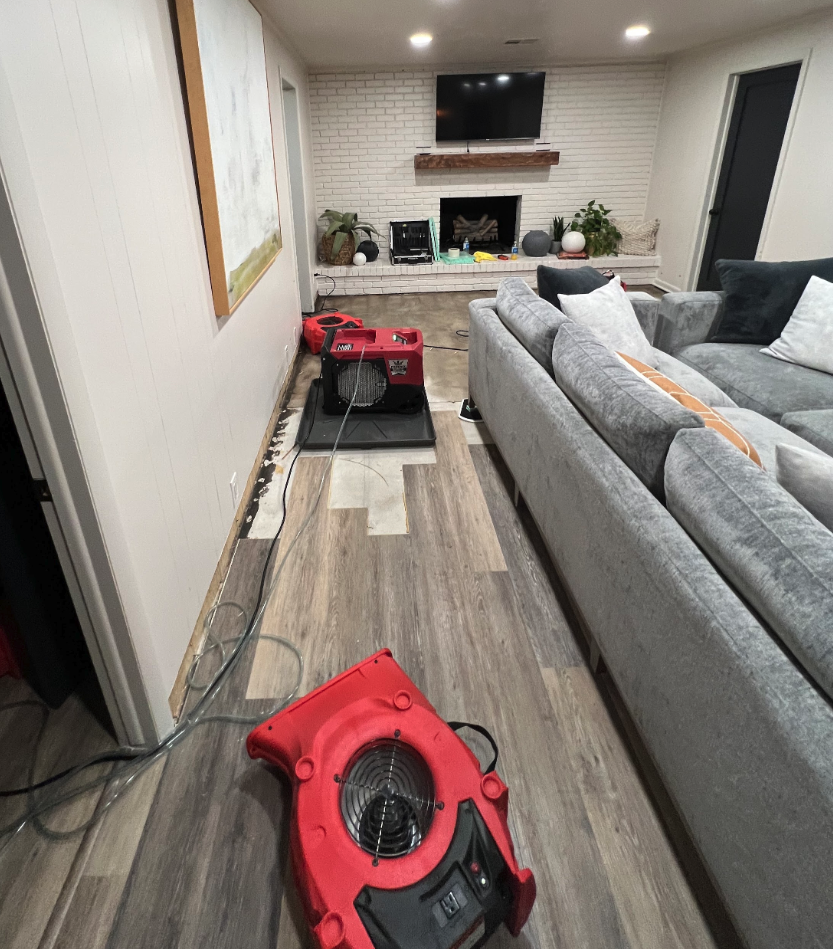
Drying is where much of the real work happens. Air movers push moving air across wet surfaces while dehumidifiers pull moisture out of the air. Technicians track moisture readings as the job continues and adjust the equipment as conditions change. A floor that feels dry when you touch it can still hold water underneath, so readings matter more than guesses.
Cleaning, Sanitizing And Rebuilding
After drying, attention turns to your interior. Crews clean and sanitize affected areas, treat lingering odors, and deal with any contaminated materials. Some companies also handle repairs such as replacing drywall, flooring and cabinets, while others pass the rebuild to a separate contractor. It’s worth asking which approach a company takes, since that changes who you’ll be working with.
What Shapes The Cost
No two jobs cost the same, so a flat price quoted over the phone deserves a few questions. The size of the affected area matters, along with how long the water sat and which materials got wet. Clean water from a supply line is simpler to handle than a sewage backup. Equipment, labor hours, and any demolition or repairs add to your total.
How Insurance Fits In
Many homeowners’ policies cover sudden events like a burst pipe or an appliance failure, though coverage depends on the cause and your specific policy. Slow leaks and outside flooding are often treated differently. Photos, moisture readings, and drying records can all support a claim, so ask whether a company keeps clear documentation as the job moves along.
Choosing The Right Team
Start with credentials. Look for technicians certified through the IICRC, a nonprofit that sets standards for the cleaning and restoration industry. Then check that the company answers around the clock, since water loss doesn’t follow office hours. Written estimates, reviews from local customers, and plain answers to your questions are all good signs. Vague answers usually aren’t.
Making The Final Call
In short, a good restoration company stops the spread, removes the water, dries the structure and repairs the damage. Costs vary with the size and type of loss, so compare written scopes, not headline prices. A documented drying plan and moisture verification are worth seeking out. Ask every team you call to explain structural drying in plain terms. Clear answers are a good sign; vague ones usually aren’t.
Edmond Water Damage Restoration
+1 405 259 2085
1425 S Santa Fe Ave
Edmond
OK
73003
United States


