
BidetsUSA guides Arizona homeowners in selecting heated toilet seats based on comfort, compatibility, features and local water conditions.
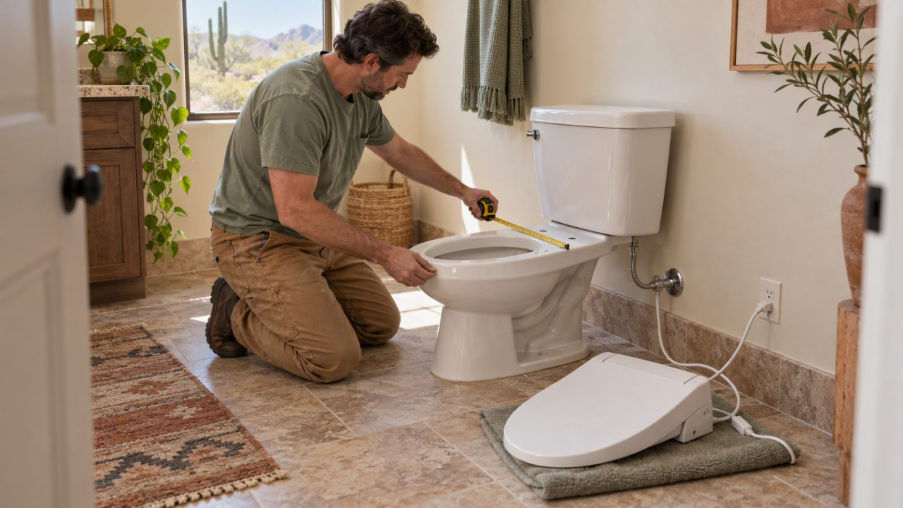
New York, USA – October 31, 2026- Arizona homeowners evaluating heated toilet seats are being advised to consider bathroom dimensions, toilet compatibility, electrical requirements and regional water conditions before selecting a model. Differences in bowl shapes, mounting configurations and available electrical connections can affect installation suitability, while mineral content in local water supplies may influence long-term maintenance requirements.
Heated toilet seats are available in several configurations, ranging from basic electric models that warm the sitting surface to advanced bidet seats combining adjustable temperatures with integrated washing functions. Understanding these differences can help homeowners identify products that meet household requirements without creating unnecessary installation or maintenance challenges.
Toilet compatibility remains one of the primary considerations when selecting heated toilet seats. Most residential toilets use either round or elongated bowls, and manufacturers generally produce separate seat designs for each configuration. Round bowls typically measure approximately 16.5 inches from the mounting-hole centerline to the front edge, while elongated bowls measure approximately 18.5 inches.
Mounting dimensions also require attention. Standard US toilet mounting holes are generally spaced 5.5 inches apart, although individual models may have different requirements. Homeowners should measure the distance between mounting holes, the available porcelain surface and the clearance between the mounting area and the toilet tank. Many electric bidet seats require approximately 1.5 to 2 inches of clearance behind the mounting holes.
Certain toilet designs can present additional installation challenges. Concealed mounting hardware, skirted toilet bases and curved tank configurations may restrict access or interfere with the seat housing. Reviewing manufacturer installation diagrams and compatibility specifications before purchasing can help identify potential problems.
Another important consideration involves the distinction between warmth-only seats and integrated bidet systems. A standard electric heated seat provides surface heating without requiring a water connection. Bidet-equipped models connect to the toilet’s clean-water supply and use retractable nozzles for washing. Depending on the design, additional features may include heated wash water, adjustable spray pressure and air drying.
Non-electric bidet attachments operate differently. These products generally use household water pressure and do not require an electrical outlet. Some models provide cold-water washing, while warm-water configurations may require a secondary connection to a nearby hot-water supply. The latter arrangement depends on bathroom plumbing and the distance between the toilet and sink vanity.
Electrical planning is particularly important for homeowners considering powered installations. Electric heated seats generally require a suitable 120-volt power supply and a ground-fault circuit interrupter (GFCI)-protected outlet in accordance with applicable electrical requirements. Manufacturers commonly provide power cords measuring approximately three to four feet, making outlet placement and cord reach important considerations.
Bathrooms without an appropriately positioned outlet may require electrical modifications by a licensed electrician. Homeowners should avoid using extension cords in bathroom areas and confirm that the existing electrical circuit can support the selected product. Tankless water-heating systems may draw approximately 1,200 to 1,400 watts during operation, depending on the model. The manufacturer’s rated electrical load should therefore be reviewed before installation, particularly when other appliances share the circuit.
Water connections also vary between products. Bidet seats generally connect to the toilet’s existing clean-water supply through compatible fittings. Older shutoff valves, rigid supply lines and limited installation space can require additional plumbing work. Warmth-only electric seats do not require these connections, making them a simpler option where additional plumbing modifications are undesirable.
Water-heating technology represents another difference among integrated bidet models. Reservoir systems maintain a limited quantity of heated water, which may gradually cool during extended use. Tankless systems heat water as needed and can provide a continuous warm-water supply, although their electrical demand may be higher during operation. Hybrid configurations combine a small reservoir with on-demand heating.
For Arizona households, local water conditions deserve particular consideration. Municipal water supplies in areas such as Phoenix and Tucson can contain substantial mineral concentrations. Hard water may contribute to calcium deposits inside water-heating components, supply connections and spray nozzles over time. Product maintenance instructions, filter compatibility and access to cleaning components should therefore form part of the purchasing decision.
Manufacturers may recommend periodic nozzle cleaning, filter replacement and descaling procedures to maintain normal operation. Automatic nozzle-rinsing functions can provide additional cleaning support but do not eliminate routine maintenance. Homeowners should follow the manufacturer’s approved cleaning instructions and avoid applying vinegar, citric acid or other descaling products unless specifically permitted for the selected model.
Control accessibility is another consideration for households with different mobility and vision requirements. Models may feature side-mounted panels, wireless remotes or digital controls with adjustable temperature settings. Button visibility, display contrast and remote placement can affect everyday usability. A control panel positioned close to a wall may also be difficult to reach depending on the toilet’s location.
Cleaning access should be assessed alongside control design. Removable seat assemblies and accessible nozzle components can simplify routine maintenance. Product documentation should explain how the seat separates from its mounting plate and how the washing system is cleaned.
Medical guidance also provides context for households considering bidet functions. Cleveland Clinic’s guidance on bidet use describes gentle washing as an optional hygiene approach that may reduce friction associated with repeated wiping. However, excessive water pressure or frequent washing can irritate sensitive tissue. Users experiencing persistent discomfort or irritation should seek appropriate medical advice.
Research has also examined the water quality associated with warm-water bidet seats. A 2016 survey of 127 warm-water bidet seats published in the Journal of Water and Health evaluated residual chlorine and microbial conditions in spray water. Iyo et al. (2016) reported lower residual chlorine levels in spray water compared with source tap water, while viable microbial counts remained below the applicable tap-water quality standard. The findings provide research context for bidet water quality but do not remove the need for regular cleaning and manufacturer-recommended maintenance.
Before completing a purchase, homeowners should confirm that the selected model matches the toilet’s bowl shape, mounting dimensions and tank clearance. Electrical requirements, water connections, heating technology and control accessibility should also be checked against the manufacturer’s specifications. Return policies are particularly relevant because opened or installed bathroom products may have specific return restrictions.
The selection of heated toilet seats ultimately depends on compatibility with the existing bathroom and the household’s practical requirements. A model with appropriate dimensions, suitable electrical connections and manageable maintenance requirements can provide a more reliable installation than a product selected solely for its additional features. Reviewing technical specifications and regional water conditions before ordering can help Arizona homeowners make informed purchasing decisions.
About BidetsUSA
BidetsUSA provides a range of bidet products and bathroom solutions designed to improve everyday comfort and convenience. The company helps homeowners explore practical options for modern bathrooms, including heated toilet seats with features suited to different needs. Its product selection and guidance support informed purchasing decisions based on bathroom design, compatibility, water conditions and personal preferences.
Media Contact
Email: info@bidetsusa.com
Website: https://bidetsusa.com/
View the Original Press Release on SP Tech Solutions.


